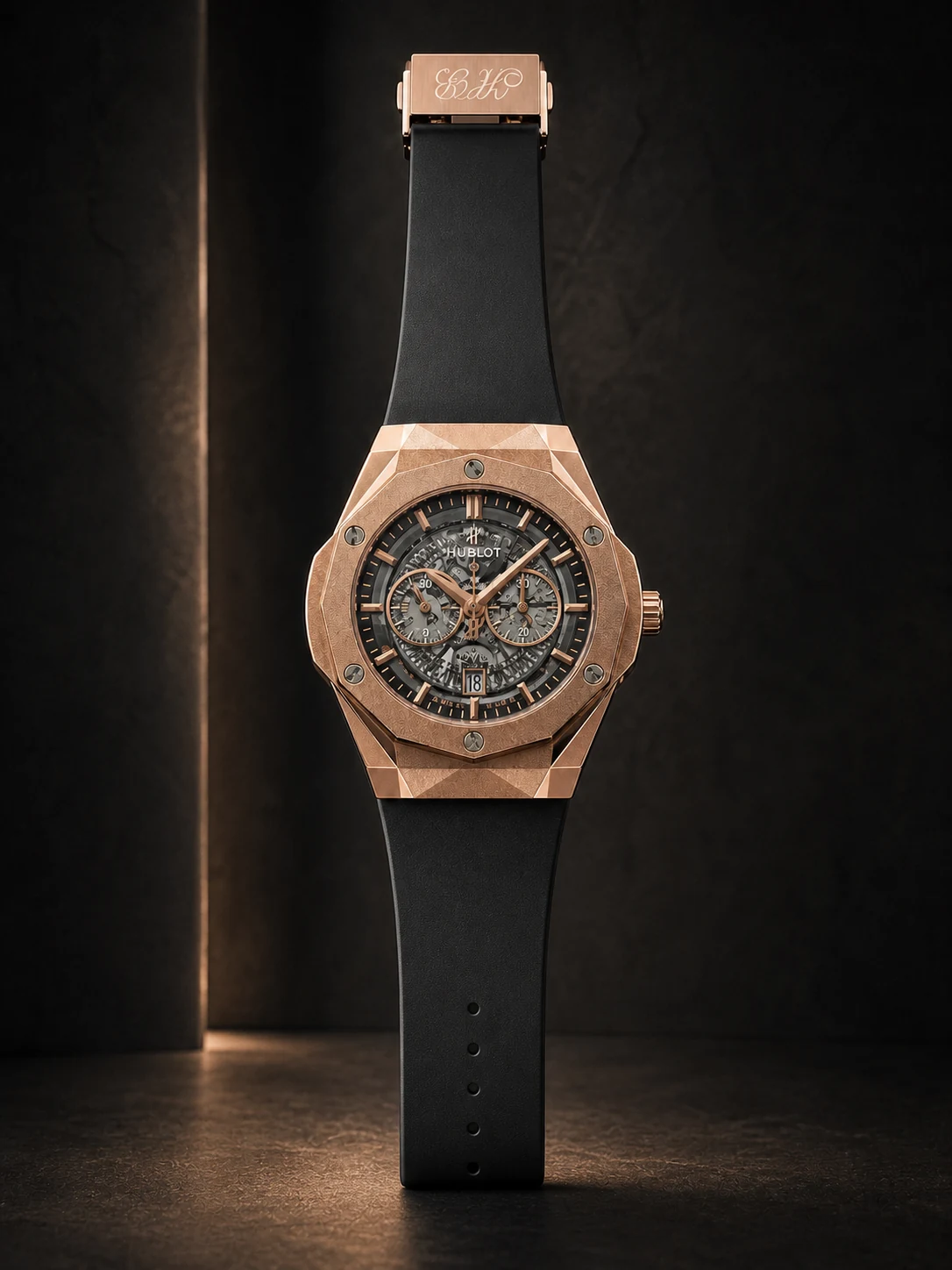
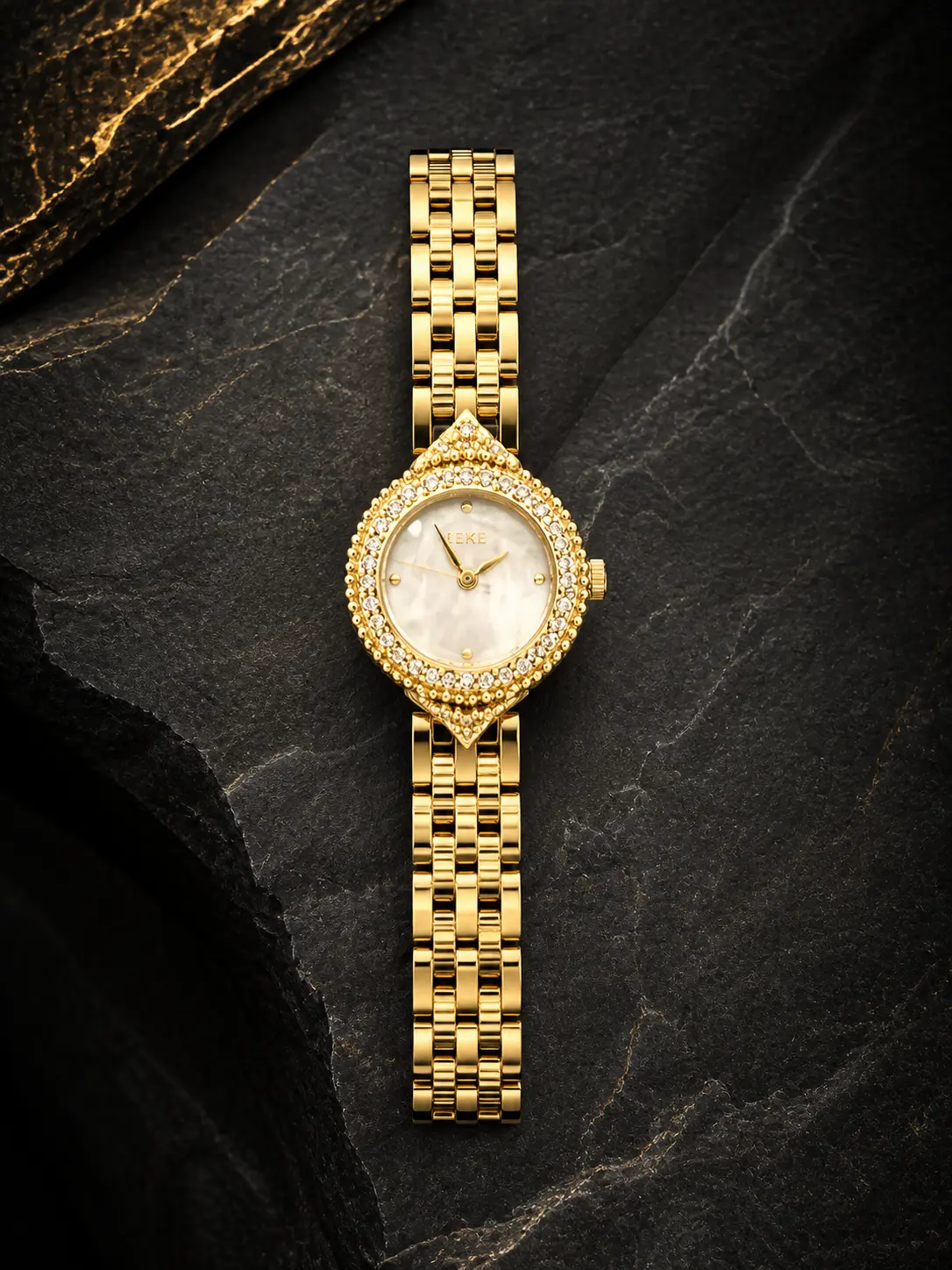
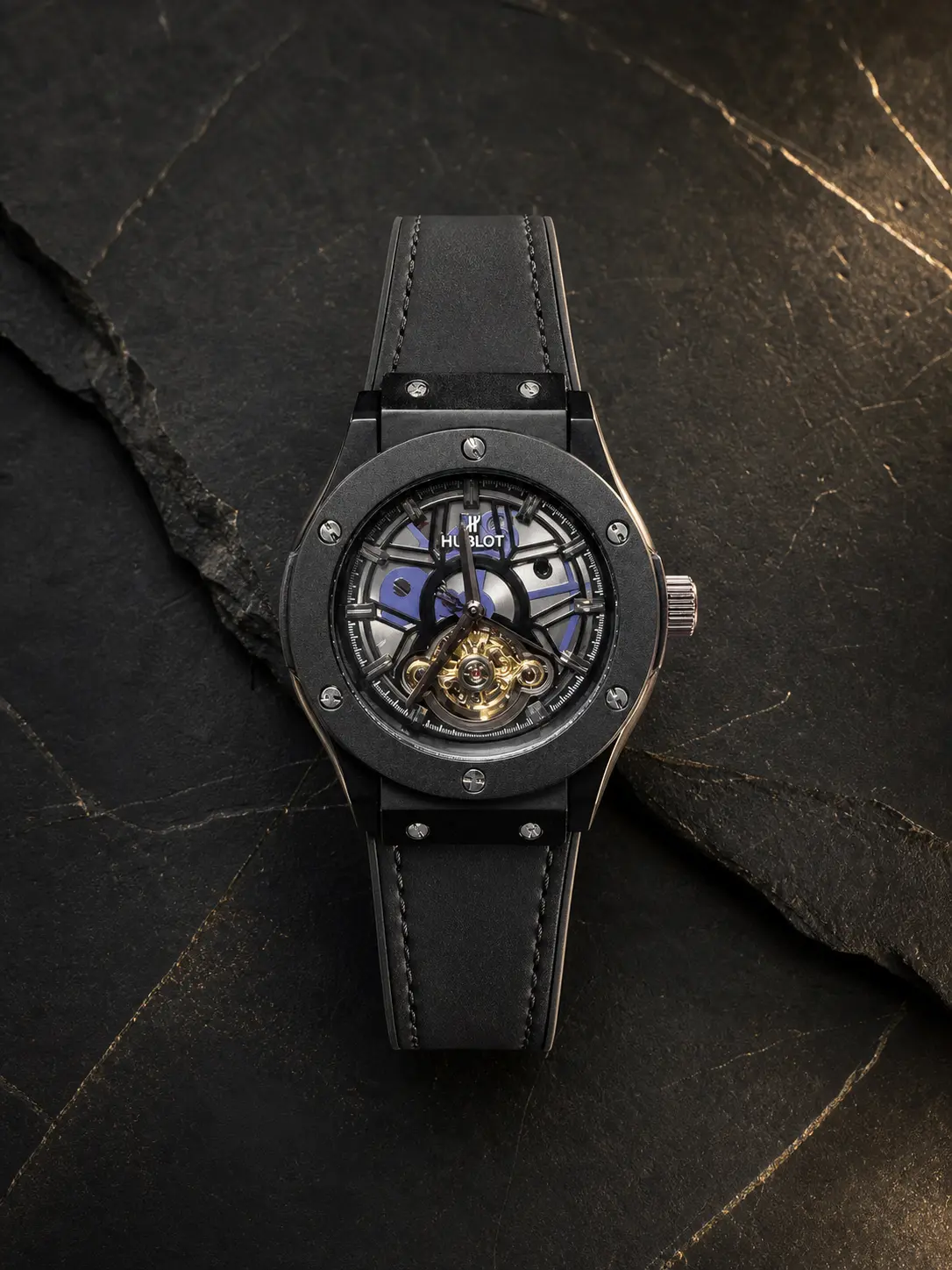
Integrated Bracelet Watches in 2026: Trend or Timeless Design?
Understand the appeal, fit, limitations and long-term ownership of watches whose bracelets flow into the case.
Integrated bracelet watches can be lasting designs, but fit depends on the first links as much as the case. Check effective lug-to-lug, taper, articulation and replacement-strap availability before buying.
Integrated-bracelet sports watches were one of the clearest Watches and Wonders 2026 themes. Their appeal is visual continuity: case, bezel and bracelet read as one designed object rather than separate components.
What “integrated” really means
The bracelet meets a shaped case connection instead of a standard straight strap between conventional lugs. Some designs are fully proprietary; others only create the integrated look while allowing brand-specific rubber or leather alternatives.
The style is not new. Its current popularity revives a design language associated with 1970s and 1980s sports watches: geometric cases, brushed surfaces, slim profiles and bracelets that taper toward the clasp.
The first link can make the watch wear larger
A bracelet’s first link may articulate downward immediately or remain fixed. A fixed first link increases the effective span across the wrist even when the case diameter looks moderate on paper.
Ask for case length including fixed end links, not only diameter. Small wrists benefit from short, flexible first links and enough removable links near the clasp for centring.
Taper, clasp and finishing decide daily comfort
A bracelet that narrows toward the clasp often feels less bulky. Check whether the clasp offers micro-adjustment for hot days, whether link edges feel sharp and whether hair pulling appears in owner feedback.
- Effective end-link span across the wrist
- Number and location of removable links
- Clasp adjustment range
- Bracelet taper and total weight
- Cost and availability of replacement bracelet parts
Proprietary design reduces strap freedom
A standard-lug watch can accept thousands of third-party straps. An integrated case often needs a model-specific adapter or factory option. That can preserve the original design but limit inexpensive customization years later.
Confirm whether the photographed bracelet and clasp match the exact reference, and ask what replacement options are actually available.
Trend outside, fundamentals underneath
The trend may cool, but proportion, comfort and coherent finishing do not expire. Buy an integrated-bracelet watch when you like the complete design and its fit—not because the case resembles a currently popular silhouette.
Turn the guide into a shortlist
Use Watcher’s live filters, then verify the exact product code and specifications.
How this guide was prepared
The Watcher Editorial Desk separates general guidance from model-specific claims, uses current manufacturer or industry sources, and avoids inventing prices or specifications that can change. Always verify the exact product reference and manual before purchase or water exposure.
- Chrono24 — Watches and Wonders trends 2026 — Industry-event trend review covering integrated-bracelet sports watches and stone dials.
- Bucherer — Watch trends 2026 — Retail trend overview covering smaller proportions, slimmer cases, colour and dial-side mechanics.
- Victorinox — How to find the perfect watch — Brand guidance on wrist measurement, lug-to-lug, thickness, movement and style.
Common questions
Can I put a leather strap on an integrated watch?
Only if the model supports a fitted strap or adapter. Standard straps usually do not fit directly.
Do integrated watches wear larger?
They can when the first links are fixed. Check the effective span across the wrist.
Is the style only a 2026 trend?
No. The design language has decades of history, though it is especially visible in current releases.