Watch Complications Explained: GMT, Moonphase, Chronograph and More
A beginner-friendly guide to useful watch functions, from the date and power reserve to GMT, chronograph and moonphase displays.
A complication is any watch function beyond basic time display. Start with the function you need—date, second time zone or elapsed timing—then judge legibility, setting steps and service implications before paying for more complexity.
Moonphase displays and longer power reserves are visible in 2026 releases, while GMT and chronograph searches remain practical buyer interests. A useful complication should solve a real need or give you lasting visual enjoyment.
Date and power reserve
A date window is simple to read but may need correction after a short month. A day-date adds weekday information. Annual and perpetual calendars reduce manual correction through more complex mechanisms, but should be set only through the approved sequence.
A power-reserve indicator shows approximately how much stored energy remains in a mechanical movement. It is particularly helpful on hand-wound watches and pieces rotated between several owners or watches.
GMT and world-time functions
A GMT watch displays another time zone, commonly through an additional 24-hour hand and scale. Some let the local hour hand jump independently; others adjust the 24-hour hand. That difference changes how convenient the watch is when travelling.
A world-time display presents many time zones at once, usually with a city ring. It offers broader information but can produce a busier dial.
Chronograph and bezel timing
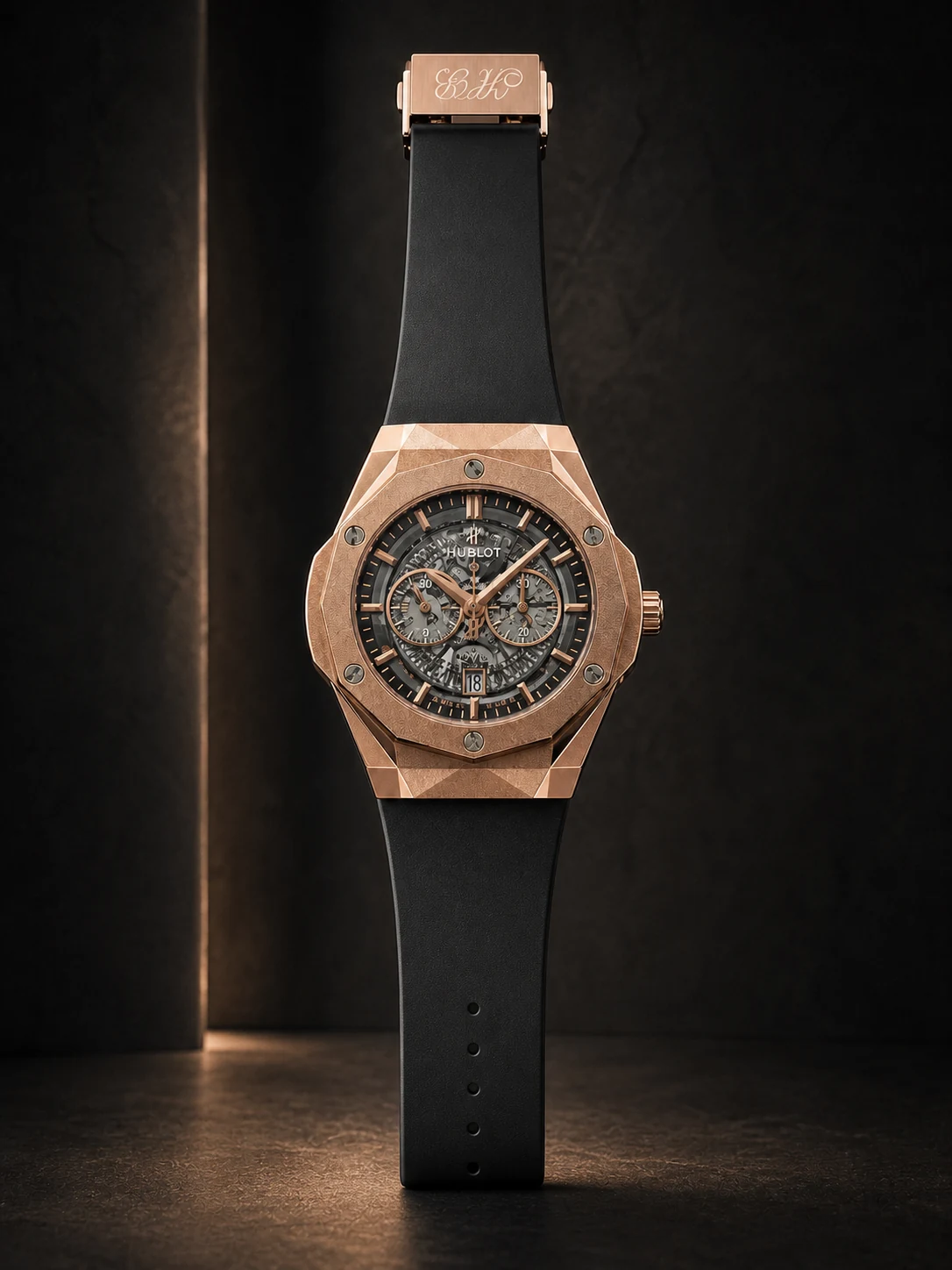
A chronograph uses hands and counters to measure elapsed intervals. A rotating bezel can provide a simpler visual countdown or elapsed-time reference without adding a movement complication. For either, clear markings matter more than decorative subdials.
Moonphase and calendar displays
A moonphase shows the changing illuminated portion of the moon through a rotating disc or indicator. It is not normally a precise astronomy instrument for navigation, but it connects the watch to a roughly monthly natural cycle and creates a strong visual focal point.
Loupe Lab identified renewed moonphase interest among Watches and Wonders 2026 releases. Trend relevance can help discovery, but buyers should still ask how to correct the display after the watch stops.
| Complication | Best question to ask | Ownership consideration |
|---|---|---|
| Date/calendar | How often is correction needed? | Safe setting window and sequence |
| GMT/world time | Which hand adjusts independently? | Travel convenience and readability |
| Chronograph | What does each counter measure? | Timing capacity and pusher use |
| Moonphase | How is it corrected? | Reset effort after reserve expires |
Complexity should earn its place
List the functions you use on a normal week, then try reading and setting each candidate watch. More parts can mean a thicker case, more setting steps and a more specialised service. A clean three-hand watch is not inferior when it fits your life better.
Never change a calendar or operate a corrector by copying generic internet instructions. Use the procedure and restricted setting times for the exact calibre.
Turn the guide into a shortlist
Use Watcher’s live filters, then verify the exact product code and specifications.
How this guide was prepared
The Watcher Editorial Desk separates general guidance from model-specific claims, uses current manufacturer or industry sources, and avoids inventing prices or specifications that can change. Always verify the exact product reference and manual before purchase or water exposure.
- Loupe Lab — Five defining watch trends of 2026 — Event analysis covering smaller cases, moonphase displays and longer power reserves in 2026 releases.
- Seiko — Automatic chronograph instructions — Official calibre instructions and tachymeter guidance for a mechanical chronograph.
- Chrono24 — Watches and Wonders trends 2026 — Industry-event trend review covering integrated-bracelet sports watches and stone dials.
Common questions
Is a date display a complication?
Yes. In watchmaking, any function beyond basic time display is generally treated as a complication.
Is GMT the same as world time?
No. GMT usually tracks one additional zone; world time displays many zones together.
Do quartz watches have complications?
Yes. Chronographs, calendars, alarms and travel functions can all be built on quartz movements.